Philosophy & Program
At Bruce Oake Recovery Centre, we believe every person has the right to chart their own path to well-being. Our person-centred, trauma-informed and individualized approach to care recognizes that substance use disorders are one of today’s most pressing public health and social challenges, affecting individuals, families, and communities across Canada. The good news is with evidence-based support, meaningful connection, and long-term care recovery is not only possible, it's probable. At Bruce Oake we believe recovery is achievable, sustainable and realistic and we strive to ensure all our participants and Alumni have every opportunity to restore their individual, familial and communal health. Our vision is simple yet profound: to send parents back to their children, sons back to their families, and empower individuals to return to full, meaningful lives of their choosing.

Who We Are
At Bruce Oake Recovery Centre, our vision, mission, and values are not just statements, they guide how we work together and how participants experience care. Our team leads with compassion, trust, inclusion, and a strong sense of community, ensuring that every individual is welcomed with dignity and respect. By embodying these values as a unified staff, we create a safe and consistent environment where participants can feel safe and place their trust, knowing they are supported in building a foundation for lasting recovery, for life.
.jpg)
Vision
A community in which access to long-term recovery is a universal human right.
Mission
Together we are building a foundation for life.
Values
Compassion: We lead with love, kindness, and empathy.
Trust: Honesty, humility, and integrity are the foundation of our work.
Inclusion: All identities, cultures, and abilities are welcome and respected. We honour diverse lived experiences and the many pathways of recovery.
Community: Recovery is built together. We connect participants, families, health systems, and partners to create stronger, healthier communities.
Evidence-Based & Culturally Safe Care
Our 16-week live-in program is guided by a biopsychosocial-spiritual-cultural model. Using a Two-Eyed Seeing approach we synthesize the wisdom and philosophy of both Western and Indigenous healing practices.
Participants receive individualized, goal-driven care plans that integrate:
- Accelerated Resolution Therapy
- Dialectical Behavioural Therapy (DBT)
- Family Systems Therapy
- Manualized 12-Step Facilitation
- Mindfulness Based Cognitive Behavioural Therapy (CBTm)
- Mindfulness-based stress reduction and relapse prevention (MBSR)
- Motivational Interviewing
- Mutual aid fellowships
- Narrative Therapy
- Non-Sleep Deep Rest or Yoga Nidra
- Peer and community support
- Psychoeducation
- Traditional practices and land-based teachings
- Yoga Based 12 Step Recovery Y12SR
All care is delivered by trained and certified clinicians, ensuring treatment is person-centred, culturally responsive, and trauma-informed. We recognize that recovery is not a single path. For some, it means reducing use; for others, it means substance-free living. We work within the full continuum of care from harm reduction to long-term recovery and provide referrals for medical treatments or medications as needed. Importantly, participation is always voluntary and self-determined and every participant chooses to be here, and commits to change.
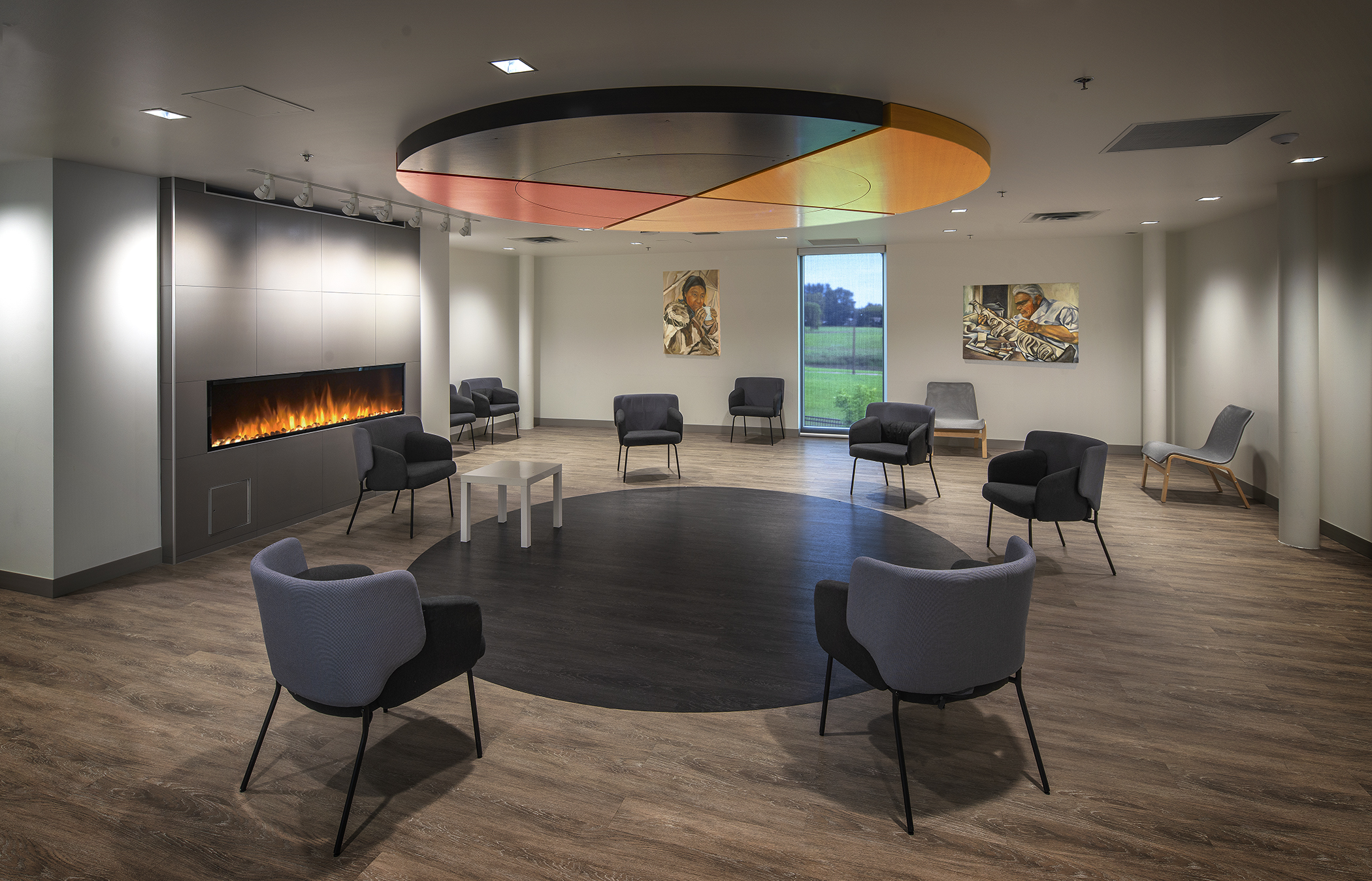
Trauma-Informed Healing
Research shows that trauma whether from military service, first responder experiences, or the intergenerational harms of colonization plays a major role in substance use. 5 At Bruce Oake, we acknowledge this reality and embed healing practices into every stage of care, supporting participants in building resilience and sustained recovery.
A 16-Week Pathway to Lasting Change
Evidence shows longer treatment brings stronger results. 1 6 Studies have consistently found that staying in care for at least 90 days leads to better outcomes than shorter programs such as reduced substance use, greater stability, and improved social functioning. 1 6 Our 16-week residential model balances strong evidence that a longer stay in treatment allows for the development of stronger goals, deeper healing, and increased skills acquisition and relapse prevention. 1 6 It gives individuals enough time to stabilize, integrate new tools, and build a foundation for lasting change.
16 weeks allows time for deep sustainable change. A direct comparison trial found that participants in a 16-week treatment reduced stimulant use more significantly than those in 4-week programs indicating that extended duration provides space to build skills and support relapse prevention. 3
Sustained recovery requires stability. Research on sober-living environments reveals that participants supported for six months or more sustain gains better than those in shorter stays suggesting that more time in structured, supportive settings strengthens long-term recovery. 7
Walking the Path Together: Our Recovery-Oriented System of Care
At Bruce Oake Recovery Centre, we walk alongside each participant as they establish a pathway to long-term recovery. Our system of care is designed to meet people where they are, honour their choices, and provide seamless support from the first conversation through lifelong aftercare. 2 5
Assessment & Understanding
We begin by listening. A thorough assessment helps us understand the full picture of substance use, co-occurring mental health concerns, or chronic conditions that may affect your recovery pathway. This ensures treatment is tailored to each person’s needs.
Individualized Recovery Plan
Together, we build an evidence-based plan that integrates best practices and respects each person’s goals, values, and culture.
Core Recovery Program
Participants engage in structured treatment that may include medical detox referrals, individual and group counselling, evidence-based therapies, and holistic practices. This stage builds the foundation of skills, connection, resilience, and self-understanding necessary for long-term recovery.
Ongoing Evaluation
Progress is continually assessed to ensure treatment is helping participants break destructive patterns and move toward their goals. Adjustments are made as needed, because recovery is not one-size-fits-all.
Case Management & Next Phase
We work with participants to plan the next phase of care. Whether that’s outpatient counselling, employment, education and training, community supports, or supported housing. We want to support you to maintain momentum after the program.
Aftercare & Reintegration
Recovery continues beyond treatment. Aftercare services help participants transition into independent living while addressing ongoing psychological, spiritual, and physical needs.
Follow-Up & Connection
Regular follow-up meetings ensure ongoing support, identify challenges early, and strengthen the connection to the recovery community.
Second-Stage Housing
For those who need more time, our Stage 2 Housing provides extended participant support. With no fixed discharge dates, recovery, not deadlines, guides the process.
Lifelong Support & Alumni Community
Recovery is a lifelong journey. Alumni have ongoing access to outreach counselling, case management, cultural programming, and our facilities—including fitness and community spaces. Our outreach team and alumni network ensures no one has to walk the path alone.
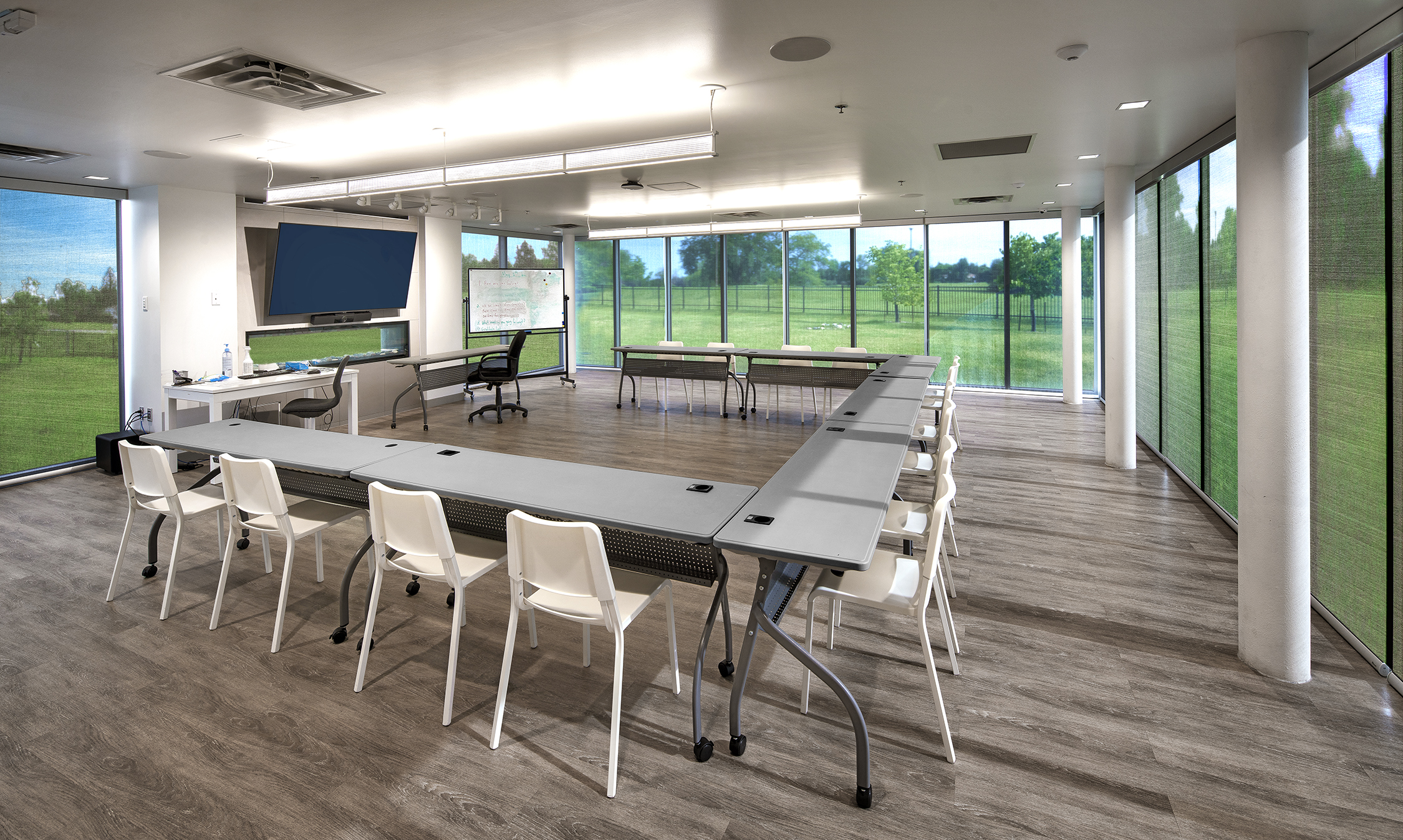
Outreach and Aftercare for Life
Recovery is not a destination but a lifelong journey. Our core 16-week treatment program provides a roadmap to recovery, equipping individuals with the tools and skills needed for sobriety. From there, our Outreach and Aftercare program extends support well beyond treatment, helping each person shape their own pathway forward with dignity and self-determination. We recognize that recovery is not linear, setbacks can happen, and our role is not to judge but to walk alongside, revisiting and adjusting plans as needed so that every individual has the best chance to move forward.
Our dedicated outreach team offers practical and emotional support to help participants recognize and navigate the hurdles that life can bring. Together, we work to identify potential triggers, whether feelings, situations, relationships, or stressors and create strategies to address them. This includes building life skills, strengthening coping mechanisms, and supporting mental health and goal-setting. Through access to counselling, case management, alumni programming, cultural and wellness spaces and peer connection, participants are never alone in their journey. Our aftercare is built on one principle: recovery flourishes in safety, trust, and community. 2 7
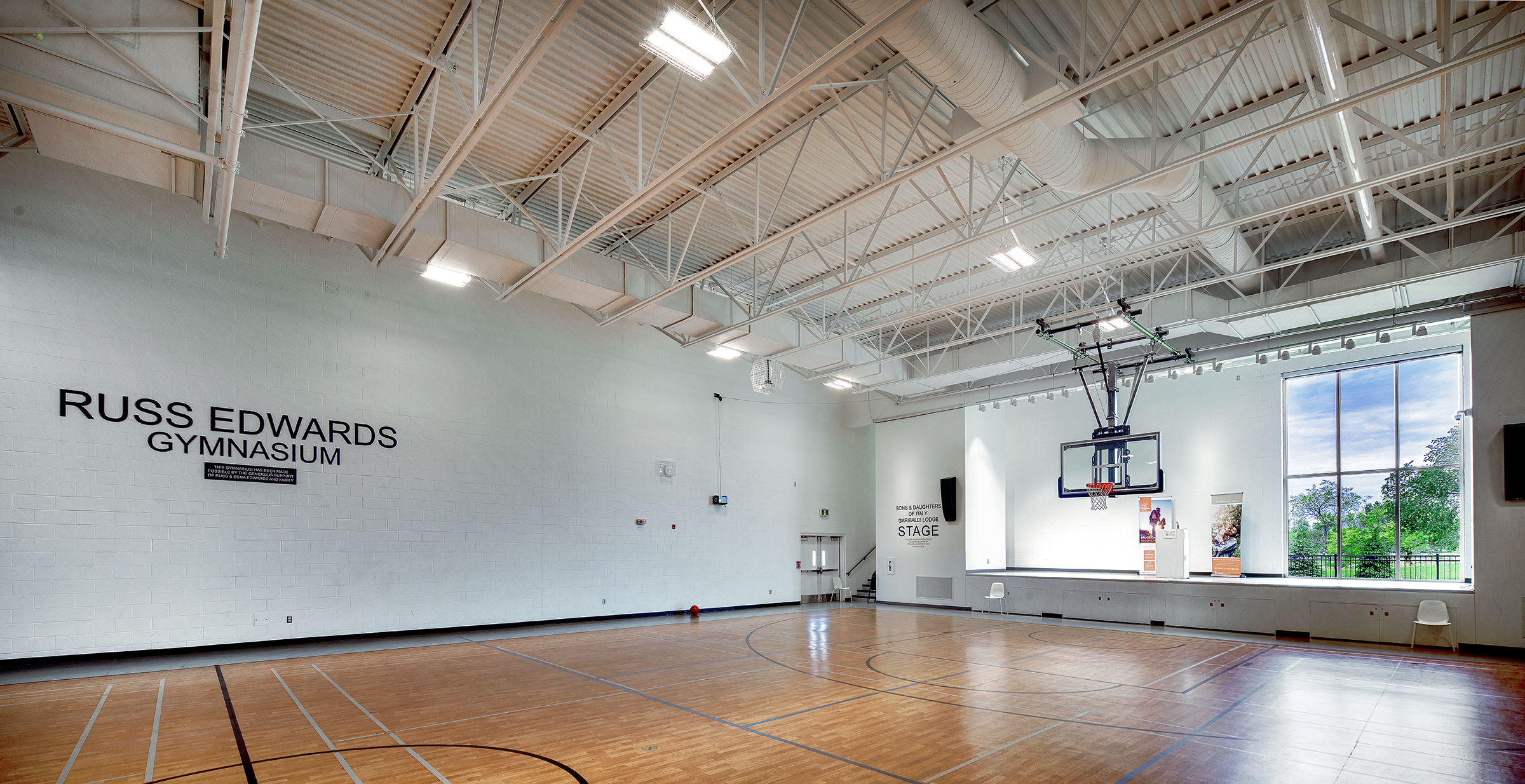
Fitness, Yoga and Rehabilitative Movement
At Bruce Oake we provide structured physical wellness interventions to heal the body, mind and nervous system. Multiple peer-reviewed studies show that incorporating physical exercise, yoga, and mindful movement into recovery programs significantly improves well-being for people with substance use disorders. 8 A recent systematic review found that moderate aerobic exercise reduces anxiety, depression, and cravings while improving sleep, cognition, and overall quality of life for individuals in recovery. 8 Similarly, research on yoga and other mind-body practices shows benefits for reducing negative mood states, enhancing emotion regulation, and lowering relapse risk by calming the stress response system and increasing self-awareness of triggers. 4 Together, these practices provide both physiological and psychological benefits, making them essential elements of our holistic, recovery-oriented program. 4 8
Employment & Stability
Employment is a powerful stabilizer in early recovery. That’s why we partner with local agencies to bridge participants into meaningful opportunities after treatment. Global research confirms that employment first interventions dramatically increase long-term recovery success. Helping participants secure or retain work is therefore a core principle of our program. 5